

Nov 7, 2026
•6 min read
How to Cope With Grief During the Holidays on Your Terms
Find ways to cope with grief during the holidays, from family gatherings and changing traditions to holiday cards and starting a new year after losing someone.
117 articles found
Find ways to cope with grief during the holidays, from family gatherings and changing traditions to holiday cards and starting a new year after losing someone.
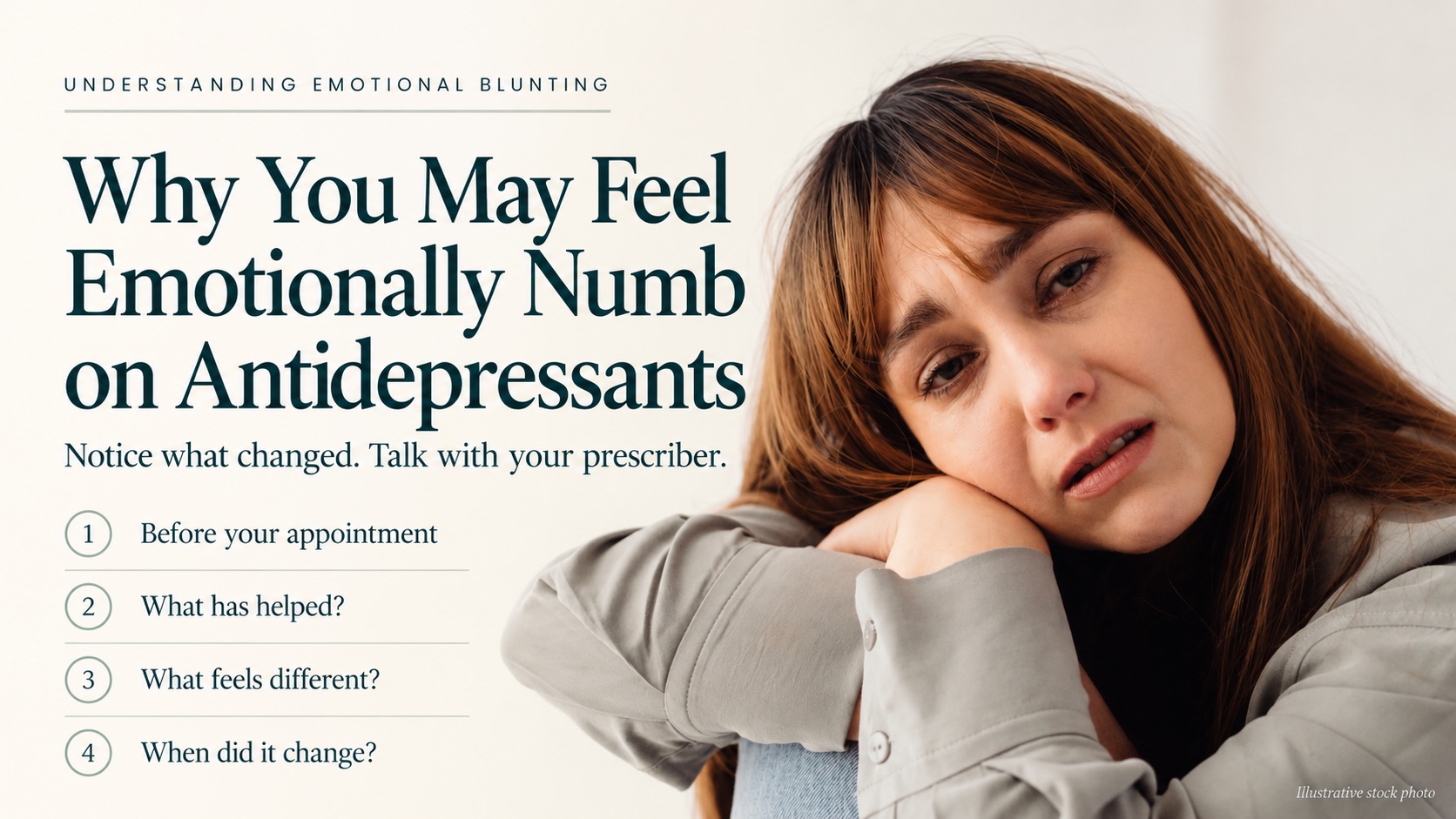
Feeling emotionally numb on antidepressants? Learn what emotional blunting can feel like, its possible causes, and what to discuss with your own prescriber.

Compare video and in-person visits using U.S. patient research, mental health evidence, and practical guidance on access, privacy, technology, and cost.
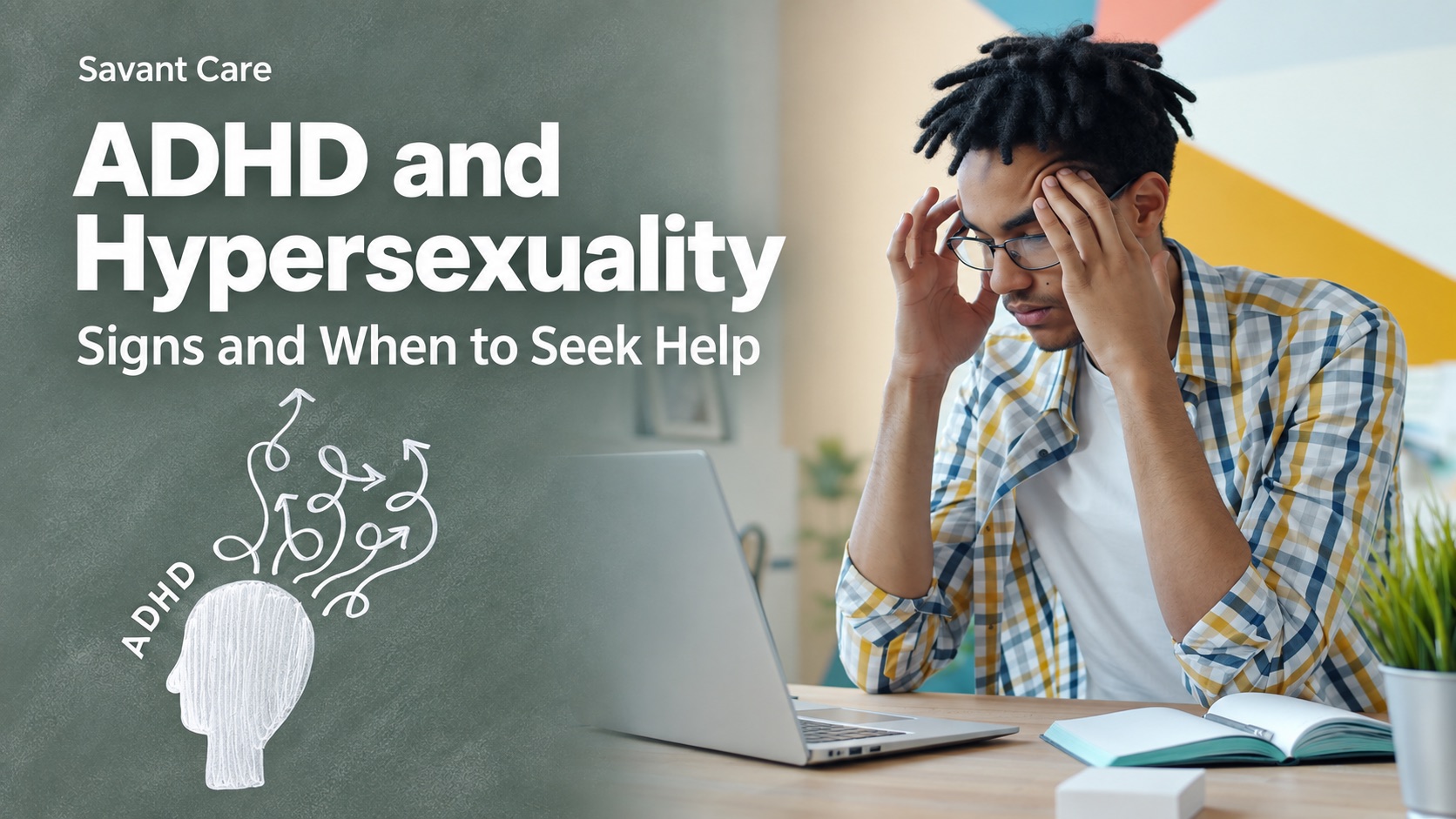
Explore the link between ADHD and hypersexuality, when masturbation becomes a concern, practical coping steps and when to seek professional help.

Confused by therapist, psychologist, psychiatrist, and NP license types in California? Here's what each one actually does, and how to pick your first visit.

AI chatbots offer instant support, but can they replace a real therapist? See what AI can and cannot do, and when to talk to a licensed clinician.

Learn how anger management therapy works, what treatments help, and when to seek support for anger linked to ADHD, PTSD, bipolar disorder, or depression.

Learn how the No Surprises Act applies to mental health care, psychiatry, therapy, Good Faith Estimates, surprise billing, and SavantCare patients.

Getting the most out of your first visit starts with knowing what to ask and what good answers sound like. Your first psychiatry appointment can feel like a lot. You may not know what to expect or what to say. That is normal.

If you have been asking yourself whether you should switch psychiatrists, you are far from alone. I hear some version of this question from new patients almost every week. Someone will tell me they spent months, sometimes years, with a provider who was not the right fit. They stayed because they felt guilty or assumed all psychiatrists would be about the same.

Months of therapy without improvement may mean your brain chemistry requires medical treatment, not more talk therapy. If you cannot work, sleep, eat normally, or take care of yourself despite effort, see a psychiatrist. Bipolar disorder, severe ADHD, OCD, and co-occurring conditions require medical diagnosis and medication management.

You filled the prescription. You took the first pill. Now you are sitting on the couch wondering why your chest still feels tight and your thoughts are still looping. If this sounds like you, nothing is wrong with you and the pill is not a dud. Most anxiety drugs need time to shift how your brain handles fear. That timeline depends on which drug you were given.