

What Is OCD?
Obsessive-compulsive disorder, or OCD, involves recurring unwanted thoughts, images or urges and repetitive behaviors or mental acts. According to the National Institute of Mental Health, symptoms can consume time, cause significant distress and interfere with everyday life.
OCD is not the same as being tidy, organized or particular. Diagnosis depends on the nature of the symptoms and their effect on functioning, not on a personality preference.
Public accounts can help readers recognize how varied OCD may appear, but they cannot replace an individual assessment. The distinctions below matter because not everyone commonly included in celebrity lists has reported a confirmed diagnosis.
What Have Public Figures Said About OCD?
David Beckham
In 2006, David Beckham spoke about having OCD and arranging objects in straight lines or pairs. He also described reorganizing hotel rooms before he could relax and said he had tried unsuccessfully to stop the behavior.
Ordering and symmetry preferences do not automatically indicate OCD. Clinicians consider whether obsessions or compulsions are time-consuming, distressing or disruptive.
Leonardo DiCaprio
DiCaprio should not be described as a celebrity with OCD. In a 2008 interview, he explicitly said that he had never had OCD.
He recalled stepping on cracks as a child and said that he deliberately revived old compulsive habits while preparing to portray Howard Hughes in The Aviator. That was acting preparation, not evidence of a clinical diagnosis.
Camila Cabello
Camila Cabello described anxiety, OCD symptoms and the shame she felt about disclosing them in a 2020 personal essay for The Wall Street Journal. Her account illustrates how fear of judgment can make it harder to discuss symptoms and seek care.
An IOCDF analysis of 10.4 million electronic health records found far fewer recorded OCD cases than expected from population estimates. The authors suggested that as many as 75% of cases may remain undetected. Because electronic records may omit care received elsewhere or services that were not coded, the findings should be treated as estimates of documented care.
Howard Hughes
Howard Hughes cannot provide a first-person account. A published psychiatric case report interpreted his documented behavior as severe obsessive-compulsive illness.
Because the assessment was made after his death, it should not be presented like a diagnosis reached through a contemporary clinical evaluation. His history may illustrate serious impairment, but it does not establish what inevitably happens when OCD is untreated.
Howard Stern
Howard Stern has written and spoken about OCD and ritualistic behavior. In a CBS interview about his life and therapy, he described psychotherapy as personally important. His public comments do not establish whether he received ERP or another OCD-specific treatment.
Howie Mandel
Howie Mandel has discussed his OCD diagnosis, contamination fears and avoiding shoelaces because they had touched the ground. He has also spoken about using medication and therapy. His account of receiving a diagnosis after years of symptoms shows why assessment can be useful when behaviors are misunderstood or hidden.
Ellen DeGeneres
In her 2024 Netflix special, Ellen DeGeneres said that a therapist had suggested she might have OCD. She initially associated the letter "O" with being organized, reflecting a common misunderstanding about the condition.
Her wording should not be changed into confirmation of a formal diagnosis. OCD is defined by obsessions, compulsions and their effects, not by neatness.
What Do These Accounts Reveal About OCD?
OCD symptoms can take many forms
OCD may involve contamination fears, checking, symmetry concerns, intrusive thoughts, avoidance or mental rituals. Symptoms can overlap, and some compulsions are difficult for other people to notice.
The DSM-5-TR does not divide these themes into official symptom subtypes. Clinicians may still discuss a person’s main fears and rituals when planning treatment. Diagnosis depends on time, distress and impairment rather than the content of a particular symptom.
Why can diagnosis take years?
Shame may make intrusive thoughts difficult to disclose, particularly when they involve sex, violence, religion or another sensitive subject. Delays can also result from limited awareness, misdiagnosis, cost or difficulty finding an OCD-trained clinician.
A 2025 meta-analysis of 31 studies estimated an average interval of 6.97 years between onset and help-seeking. The pooled duration of untreated illness was 6.69 years. Longer delays were associated with a less favorable prognosis, but they do not determine the outcome of every case.
Public stories are not treatment evidence
A celebrity’s experience may encourage someone to seek help, but it cannot show whether a treatment works. Recommendations should come from clinical guidelines and controlled research, not from personal accounts.
What Are the OCD Treatment Options?
OCD can be treated with psychotherapy, medication or both. The starting point depends on symptom severity, functional impairment, previous treatment and patient preference.
Exposure and Response Prevention
Exposure and Response Prevention, or ERP, is a form of CBT developed specifically for OCD. It is recommended by the American Psychiatric Association and the UK’s National Institute for Health and Care Excellence.
During ERP, the patient confronts situations, thoughts or sensations that trigger obsessive distress while refraining from the usual compulsion. Exercises are planned collaboratively. The aim is to build tolerance for distress and uncertainty while weakening reliance on rituals and avoidance.
A randomized trial involving 126 adolescents and adults compared 12 sessions of ERP with stress-management training. Both groups received structured treatment, but ERP produced greater improvement in OCD symptoms.
ERP can be challenging, although research does not show unusually high dropout. A review of 21 randomized trials found a weighted dropout rate of 14.7%, which was not significantly different from comparison treatments. The authors estimated total attrition at 18.7%, but refusal data were available from only two trials.
Can ERP be provided through telehealth?
ERP may be delivered through secure video appointments when clinically appropriate. Remote care can reduce travel and may allow some exposure exercises to occur in the patient’s everyday environment.
A 2022 observational study of 3,552 adults reported a 43.4% average reduction in self-reported OCD symptoms, with 62.9% meeting the study’s response threshold. The study had no in-person comparison group, and its authors were affiliated with the company providing treatment, so it cannot establish equal effectiveness between formats.
Medication for OCD
SSRIs are commonly used as the first medication option. In the United States, fluoxetine, fluvoxamine, paroxetine and sertraline are FDA-approved for OCD in adults. Clomipramine is also approved, but its adverse-effect profile means an SSRI is generally preferred for an initial medication trial. The IOCDF medication guide summarizes these options.
An adequate medication trial for OCD may take longer than one for depression. If a standard SSRI dose has not helped enough, a prescriber may consider a gradual increase after reviewing adverse effects and patient preference. Patients should not change their dose or stop medication without consulting the prescriber.
For adults with moderate impairment, NICE recommends a choice between an SSRI and intensive CBT with ERP. Combined treatment is recommended when impairment is severe or when one treatment has not produced an adequate response.
A 2022 systematic review and meta-analysis found greater symptom improvement when ERP was added to medication than with medication alone. Considerable variation among the studies limits how broadly that result can be applied.
What about general counseling or stress management?
Supportive counseling may help with stress, relationships or another mental health condition. It has less evidence as a standalone OCD treatment than ERP, an SSRI or their combination. OCD care may still include education, planning and support for related difficulties, but the treatment plan should address the obsessions, compulsions and avoidance maintaining the disorder.
Does OCD require lifelong treatment?
The course of OCD varies. Some people need continuing support, while others complete a structured course of ERP and return if symptoms recur. Medication may be continued after remission and reviewed periodically with the prescriber.
OCD can be persistent, but remission is possible. A meta-analysis of long-term adult outcomes found a pooled remission rate of 53%, although definitions and study populations varied. Treatment aims to reduce symptoms and restore functioning, with the plan adjusted according to progress.
How Can I Get OCD Treatment at Savant Care?
Savant Care offers OCD evaluations, medication management and therapy for adults in California and Texas. Secure telehealth appointments are available, and in-person care is offered at certain locations.
You can book an appointment online or call (866) 499-2588. Same-week appointments may be available, although timing depends on the provider and appointment type.
During an initial evaluation, the clinician may ask about obsessions, compulsions, avoidance, when symptoms began, their effect on everyday life, previous treatment, medications and other health concerns. The clinician will consider whether the symptoms meet the criteria for OCD and whether another condition could better explain them.
Recommendations may include medication, CBT with ERP or coordinated care involving both. Availability of ERP should be confirmed when booking.
Savant Care accepts a range of insurance plans, but participation and benefits vary by plan, clinician, service and state. Confirm coverage before the appointment.
Book an Appointment
- Schedule an OCD evaluation
- Call or text: (866) 499-2588
- Check accepted insurance plans
Crisis Support and Medical Disclaimer
Crisis support: Savant Care’s booking service is not an emergency service. If you are in immediate danger, call 911 or go to the nearest emergency department. In the United States, call or text 988 for the Suicide & Crisis Lifeline. You can also text HOME to 741741 for the Crisis Text Line.
Medical disclaimer: This article provides general information and is not a diagnosis or individualized treatment plan. Treatment decisions should be made with a licensed healthcare professional who has evaluated your circumstances.
Sources
- National Institute of Mental Health. Obsessive-Compulsive Disorder (OCD): Statistics. https://www.nimh.nih.gov/health/statistics/obsessive-compulsive-disorder-ocd
- National Institute of Mental Health. Obsessive-Compulsive Disorder (OCD). https://www.nimh.nih.gov/health/topics/obsessive-compulsive-disorder-ocd
- Pellegrini L, et al. Meta-analysis of age at help-seeking and duration of untreated illness in obsessive-compulsive disorder. Journal of Affective Disorders. 2025;380:212-225. https://pubmed.ncbi.nlm.nih.gov/40118279/
- International OCD Foundation. America's OCD Care Crisis. December 2025. https://iocdf.org/wp-content/uploads/2025/12/Full-Report-Americas-OCD-Care-Crisis-12-9-2025.pdf
- Frith M. Beckham reveals his battle with obsessive disorder. The Independent. April 3, 2006. https://www.independent.co.uk/news/uk/this-britain/beckham-reveals-his-battle-with-obsessive-disorder-6104728.html
- Sella M. Leading Man: Leonardo DiCaprio. GQ. October 31, 2008. https://www.gq.com/story/leonardo-dicaprio-revolutionary-road-kate-winslet
- Cabello C. To Anyone Feeling Like I Used to: You Are Not Alone. The Wall Street Journal. May 2020. https://www.wsj.com/articles/camila-cabello-letter-ocd-mental-health-fans-11590668326
- King BH, et al. The dilemma of Howard Hughes: paradoxical behavior in compulsive disorders. American Journal of Psychiatry. 1986;143(3):346-355. https://pubmed.ncbi.nlm.nih.gov/3518902/
- CBS News. Extended transcript: Howard Stern. May 12, 2019. https://www.cbsnews.com/amp/news/extended-transcript-howard-stern-cbs-sunday-morning/
- Healthline. Howie Mandel’s OCD: Comedian Opens Up About His Diagnosis. https://www.healthline.com/health-news/how-howie-mandel-was-finally-diagnosed-after-decades-of-living-with-ocd
- Netflix. Ellen DeGeneres: For Your Approval. September 24, 2024. https://www.netflix.com/title/81037130
- Himle JA, et al. Exposure and response prevention versus stress management training for adults and adolescents with obsessive compulsive disorder. Behaviour Research and Therapy. 2024;172:104458. https://pubmed.ncbi.nlm.nih.gov/38103359/
- American Psychiatric Association. Practice Guideline for the Treatment of Patients With Obsessive-Compulsive Disorder. 2007; Guideline Watch 2013. https://www.psychiatry.org/psychiatrists/practice/clinical-practice-guidelines/legacy-practice-guidelines-for-obsessive-compulsive-disorder
- National Institute for Health and Care Excellence. Obsessive-compulsive disorder and body dysmorphic disorder: treatment. Clinical guideline CG31. https://www.nice.org.uk/guidance/cg31/chapter/Recommendations
- International OCD Foundation. Exposure and Response Prevention Therapy. https://iocdf.org/about-ocd/ocd-treatment-guide/exposure-response-prevention/
- Ong CW, et al. Dropout rates in exposure with response prevention for obsessive-compulsive disorder: What do the data really say? Journal of Anxiety Disorders. 2016;40:8-17. https://doi.org/10.1016/j.janxdis.2016.03.006
- Feusner JD, et al. Online video teletherapy treatment of obsessive-compulsive disorder using exposure and response prevention. Journal of Medical Internet Research. 2022;24(5):e36431. https://www.jmir.org/2022/5/e36431
- International OCD Foundation. Medication Treatment for OCD in Adults. https://iocdf.org/about-ocd/ocd-treatment-guide/medication/
- Mao L, et al. The effectiveness of exposure and response prevention combined with pharmacotherapy for obsessive-compulsive disorder. Frontiers in Psychiatry. 2022;13:973838. https://pmc.ncbi.nlm.nih.gov/articles/PMC9520065/
- Sharma E, et al. Long-term outcome of obsessive-compulsive disorder in adults: a meta-analysis. Journal of Clinical Psychiatry. 2014;75(9):1019-1027. https://pubmed.ncbi.nlm.nih.gov/25295427/
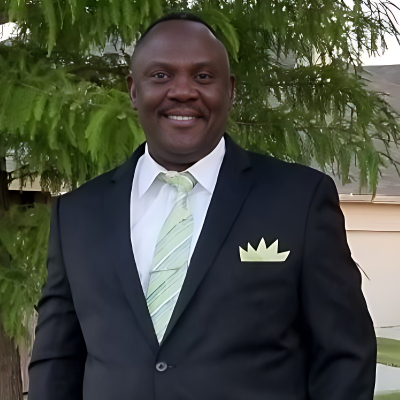
Shebna N. Osanmoh I, PMHNP-BC is a psychiatric-mental health nurse practitioner with over 9 years of clinical experience. She specializes in the treatment of anxiety, depression, ADHD, bipolar disorder, and PTSD. She practices at Savant Care serving patients in California and Texas via telehealth.

Dr. Ellen A. Machikawa, MD reviewed this article for clinical and regulatory accuracy.