Anxiety & Depression Treatment
Anxiety and depression are the most common mental health conditions we treat, and they frequently occur together. At Savant Care, you have access to therapists, psychiatrists, and psychiatric nurse practitioners on the same team, so whether you need talk therapy, medication, or a combination, your care is coordinated from day one.
We also offer TMS therapy for treatment-resistant depression (FDA-approved).
Don't see your concern? Contact us to discuss.
Evaluation
Your provider conducts a thorough assessment to understand your symptoms, history, and what has or has not worked before. This informs whether therapy, medication, or both is the right starting point.
Treatment plan
Together you set clear goals and a treatment approach. For mild-moderate symptoms, therapy alone is often effective. For moderate-severe, combining therapy and medication typically produces the best outcomes.
Ongoing care
Weekly therapy sessions, medication adjustments as needed, and our journal feedback system between appointments keep your care continuous rather than episodic.
Advanced options
For treatment-resistant depression, we offer TMS therapy (FDA-approved non-invasive brain stimulation). For ongoing management, Trauma-Informed Yoga helps reduce physical symptoms of anxiety and depression.
Cognitive Behavioral Therapy (CBT)
The most studied treatment for anxiety and depression. Identifies thought patterns driving distress and teaches practical skills to change them. 12-20 sessions typical.
Psychiatric Medication Management
SSRIs, SNRIs, and other medications prescribed and managed by our psychiatrists and psychiatric NPs. Coordinated with your therapist for integrated care.
TMS Therapy
Transcranial Magnetic Stimulation uses magnetic fields to stimulate brain regions involved in mood. FDA-approved for treatment-resistant depression. Non-invasive, no anesthesia.
Acceptance & Commitment Therapy (ACT)
Combines mindfulness with values-based action. Helps you stop fighting anxious or depressive thoughts and instead focus on living according to what matters.
Trauma-Informed Yoga
Reduces physical symptoms of anxiety (tension, shallow breathing) and depression (fatigue, disconnection). Free for all patients.







Should I try therapy before medication?
For mild to moderate symptoms, therapy is a reasonable first step. For moderate to severe symptoms, starting both simultaneously often produces faster improvement. Your provider will discuss options based on your situation.
How do I know if I have anxiety, depression, or both?
Many people experience symptoms of both. A clinical evaluation with our team can clarify your diagnosis and guide treatment. Common anxiety signs: persistent worry, tension. Common depression signs: persistent sadness, low energy, loss of interest.
What is TMS and is it right for me?
TMS is FDA-approved for treatment-resistant depression. It may be appropriate if you have tried at least two medications without adequate improvement. Our team can evaluate whether TMS is a fit.
How quickly will I feel better?
Many people notice improvement within the first few weeks. Medication typically takes 4-6 weeks for full effect. CBT benefits often appear after 6-8 sessions. Recovery is gradual and varies.
Is treatment covered by insurance?
Anxiety and depression are among the most commonly covered conditions. We accept 22+ plans. Call (866) 499-2588 to verify.
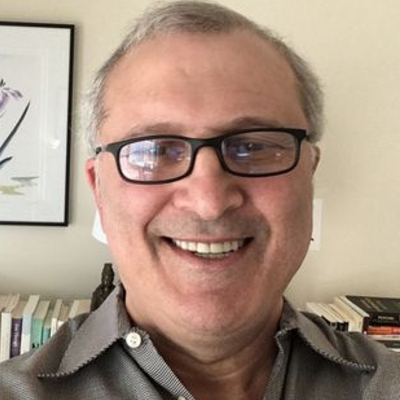
Medically reviewed by Dr. Ellen A. Machikawa
Why treat anxiety and depression together?
Research from the National Comorbidity Survey found that 60% of people with major depression also meet criteria for an anxiety disorder. When both conditions are present, treatment needs to address both, not treat one and hope the other resolves.
At Savant Care, providers assess and treat co-occurring conditions using an integrated approach. Therapists and prescribers work on the same team. The decision about medication happens collaboratively, not through referrals to separate offices. For cases that do not respond to standard treatment, TMS therapy offers a proven alternative.
Ready to start?
Book online or call us. Most patients are seen within 48 hours.