
More people than ever are typing their hardest feelings into an AI chatbot. Tools like ChatGPT, Gemini, and Character.AI are free, available at any hour, and feel private, so it is easy to see why someone in distress would open an app before reaching out to a clinic. The honest question underneath all of it is simple: can an AI chatbot actually replace a real therapist? The short answer is no. The fuller answer is worth understanding, because AI can genuinely help in some situations and cause real harm in others.
This is not a fringe behavior. In a nationally representative study published in JAMA Pediatrics, RAND researchers found that nearly one in five United States adolescents and young adults ages 12 to 21 used AI chatbots for mental health advice in 2025, up from about 13 percent a year earlier. Millions of people are already turning to AI when they feel low, which makes it important to be clear about what these tools can and cannot do.
Can an AI chatbot replace a real therapist?
No. An AI chatbot cannot replace a real therapist. It can imitate parts of a therapy conversation and offer useful support between appointments, but it cannot diagnose a mental health condition, intervene in a crisis, manage medication, or form the genuine human relationship that most research points to as the heart of effective therapy. The most useful way to think about a chatbot is as a tool that can sit alongside real care, not one that stands in for it.
What can AI chatbots actually do well for mental health?
AI chatbots do a handful of things genuinely well. They are available at any hour, they respond instantly, and they feel private, which lowers the barrier for someone who is not ready to talk to a person. Used carefully, they can offer psychoeducation, meaning plain explanations of symptoms and coping skills, along with journaling prompts, mood tracking, and simple structured exercises drawn from approaches like cognitive behavioral therapy. For mild, everyday stress, that can be a reasonable first step.
At Savant Care, we understand the appeal of that between-session support, which is why our model is built around continuous care rather than one appointment a month and silence in between. Patients share journal entries that a real clinician reviews, so the reflection happens with a human who knows their history, not a chatbot that starts over with every conversation.
Where do AI therapy chatbots fall short?
This is where the limits get serious. A chatbot cannot call for help if you are in danger, and it has no legal or ethical duty to protect your safety or your privacy the way a licensed clinician does. Many popular chatbots are also built to maximize engagement, which means they tend to agree with you and keep the conversation going, even when what you actually need is to be gently challenged. Professional organizations, including the American Psychological Association, have raised concerns with federal regulators that chatbots presenting themselves as therapists can mislead vulnerable users, and AI companies have faced lawsuits alleging that chatbot conversations contributed to serious harm.
A chatbot also cannot manage medication. It cannot evaluate whether a psychiatric medication is appropriate, adjust a dose, or monitor for side effects. Those decisions require a licensed prescriber. And because a chatbot does not truly know you, it cannot provide the continuity, accountability, or clinical judgment that real treatment depends on.
If you are ever in crisis or thinking about harming yourself, do not rely on a chatbot. Contact the 988 Suicide and Crisis Lifeline, which is available 24 hours a day.
Is it safe to use ChatGPT or Character.AI as a therapist?
It depends on how you use it. Using a general-purpose chatbot like ChatGPT or Character.AI to learn about a condition or organize your thoughts is generally low risk. Using one as your only source of mental health care is not safe, especially for moderate to severe symptoms, thoughts of self-harm, or anything involving medication. These tools were built for broad conversation and engagement, not for clinical safety, and they are not bound by the confidentiality rules that protect what you tell a licensed clinician. Treat them as a starting point, not a substitute for care.
AI chatbot vs a real therapist: what is the real difference?
Both can feel like a supportive conversation. The real difference is in what stands behind that conversation.
| What matters | AI chatbot | A real therapist |
|---|---|---|
| Available any hour | Yes | Scheduled care, though telehealth widens access |
| Cost | Often free or low | Varies; many clinicians are in-network with insurance |
| Crisis response | Cannot call for help | Trained and obligated to act on your safety |
| Privacy and legal duty | Governed by app terms | Bound by clinical confidentiality rules |
| Medication management | Cannot prescribe or monitor | A licensed prescriber can |
| Knows your history | Resets each session | Builds understanding over time |
| Accountability | None | Licensed and answerable for your care |
How Savant Care blends real human care with helpful technology
The choice is not really between convenient and human. Savant Care is a telehealth practice built to give patients both. Our psychiatrists and therapists deliver care by video across California and Texas, so support is easy to reach without giving up a real clinician who knows you. We use technology where it helps, like clinician-reviewed journal feedback that keeps care going between appointments, and we keep people at the center of everything clinical. For patients who want a supportive, body-based practice alongside talk therapy, we also offer Trauma-Informed Yoga at no additional cost. If you are weighing an app against real care, we would rather show you what continuous human care can look like. Start with a real, licensed clinician.
When should you talk to a real therapist instead of a chatbot?
Reach out to a licensed clinician, not a chatbot, if your symptoms are getting worse or will not lift, if you are dealing with trauma, if you have questions about medication, if your relationships or your safety are affected, or if a chatbot's advice ever feels off or unsafe. These are the moments when human judgment, accountability, and a real relationship matter most. If you are in California or Texas, Savant Care can help you start with a real clinician. And if you are thinking about harming yourself, contact the 988 Suicide and Crisis Lifeline right away.
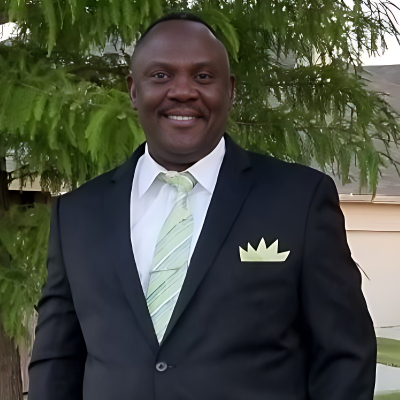
Shebna N. Osanmoh I, PMHNP-BC is a psychiatric-mental health nurse practitioner with over 9 years of clinical experience. He specializes in the treatment of anxiety, depression, ADHD, bipolar disorder, and PTSD. He practices at Savant Care serving patients in California and Texas via telehealth.

Dr. Ellen A. Machikawa, MD reviewed this article for clinical and regulatory accuracy.