Does Yoga Therapy Actually Help with Anxiety?
Written by
Shebna N. Osanmoh
Reviewed by
Dr. Ellen A. Machikawa- Anxiety is a physical state, not a mindset. You cannot out-think a nervous system that is trapped in a biological fight or flight loop.
- Talk therapy has limits. Cognitive Behavioral Therapy (CBT) is excellent for thought patterns, but it relies on the logical brain, which often shuts down during a panic attack.
- Yoga therapy is clinical medicine, not a fitness class. It is a private, trauma-informed intervention designed to physically force the nervous system to hit the brakes.
- It alters brain chemistry. Specific breathing protocols directly stimulate the vagus nerve, immediately suppressing cortisol and spiking GABA (the brain's natural calming chemical).
- Savant Care integrates it completely. Because body-based medicine is critical for severe anxiety, we provide 1:1 telehealth yoga therapy alongside traditional psychiatric care at no extra cost.

If you live with severe anxiety, you already know the frustration of being told to just relax. When your heart is pounding against your ribs while you are sitting perfectly still at your desk, logic doesn't help. The shallow breathing, the locked jaw, the heavy pressure sitting on your chest, these are not all in your head. They are the very real symptoms of a nervous system that has lost the ability to turn itself off.
With the medical community finally embracing somatic (body-based) interventions, clinical yoga therapy has moved from wellness studios into psychiatric care plans. But for patients exhausted by their own physiology, the question remains: Is this an actual medical treatment, or just another trend?
The clinical consensus is clear: targeted yoga therapy is one of the most effective tools we have for regulating a severely anxious nervous system.
How Anxiety Affects You
Source: Getty Images
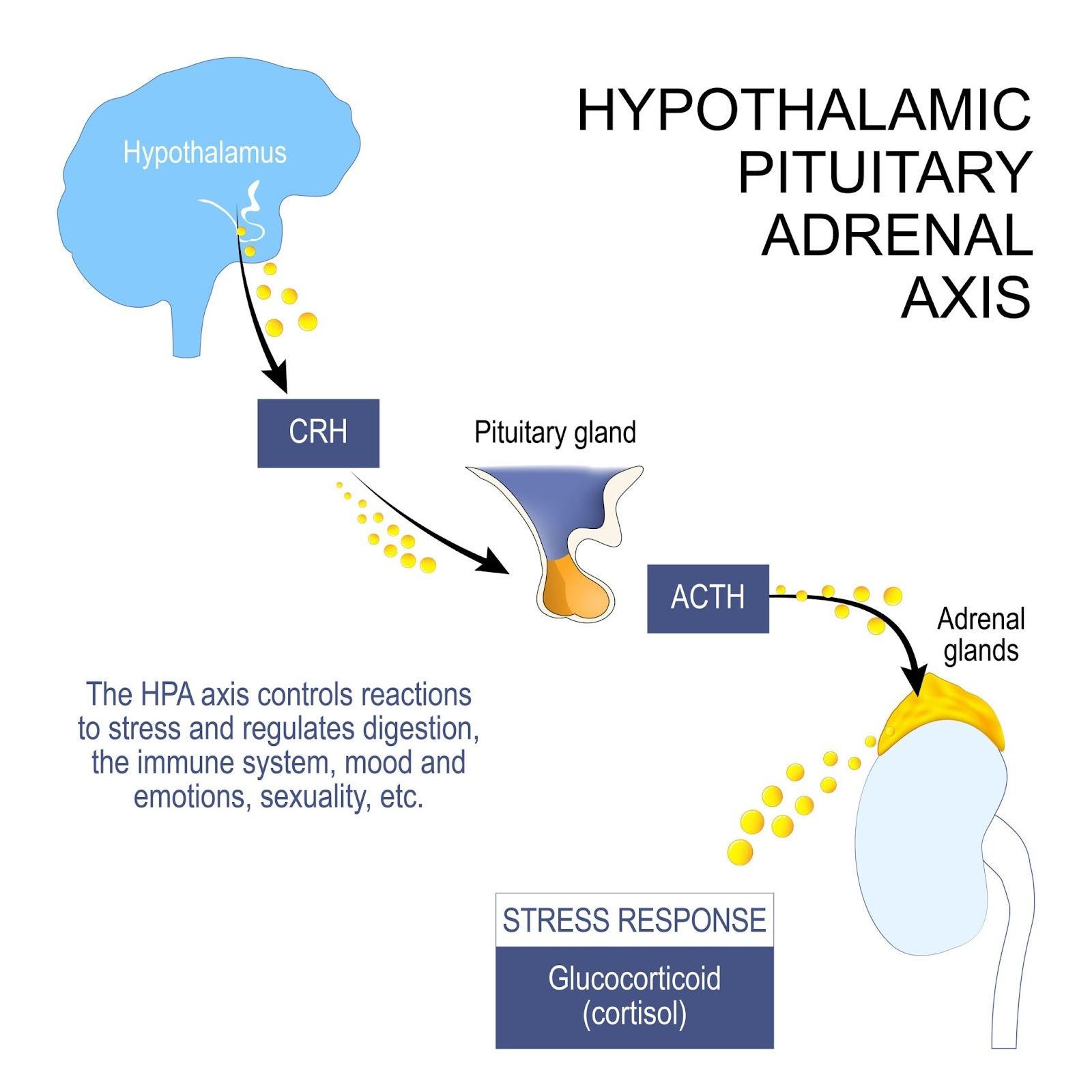
Anxiety is an alarm system that refuses to disarm. When a stressor hits—whether it's an immediate physical threat or a cascading financial crisis—your brain activates the Hypothalamic-Pituitary-Adrenal (HPA) axis. This system dumps adrenaline and cortisol into your bloodstream, accelerating your heart rate, tensing your muscles, and preparing your body to survive a physical attack.
The problem is modern chronic stress. The HPA axis was designed for short bursts of survival, not for managing an overflowing inbox or chronic burnout. When that biological alarm rings constantly, your nervous system gets stuck in overdrive.
This is exactly why talk therapy, while crucial, often hits a wall. Therapies like CBT require a functioning prefrontal cortex (the logical part of your brain). But when you are in a state of physical panic, the brain's survival center takes over and shuts down the prefrontal cortex. You cannot simply think your way out of somatic panic; you have to physically signal to your body that the threat has passed.
What is Yoga Therapy?
A local studio yoga class is built for fitness, flexibility, and group flow. Clinical yoga therapy is a highly targeted, one-on-one medical intervention.
When treating anxiety, PTSD, or panic disorders, a certified yoga therapist reviews your clinical history and nervous system baseline. They don't care about the aesthetic perfection of a pose. Instead, they prescribe specific physical postures (asanas) and breathwork protocols (pranayama) designed solely to interrupt your specific symptoms.
In trauma-informed clinical settings, the practice is tightly controlled to ensure psychological safety:
- Invitational Language: Therapists offer choices, allowing trauma survivors to maintain complete agency over their bodies.
- No Physical Touch: Strict emotional and physical boundaries are maintained; there are no hands-on adjustments.
- Internal Focus: The work is entirely about intercepting panic signals inside the body, not achieving a workout goal.
How Yoga Therapy Helps To Reduce Anxiety
Source: Getty Images
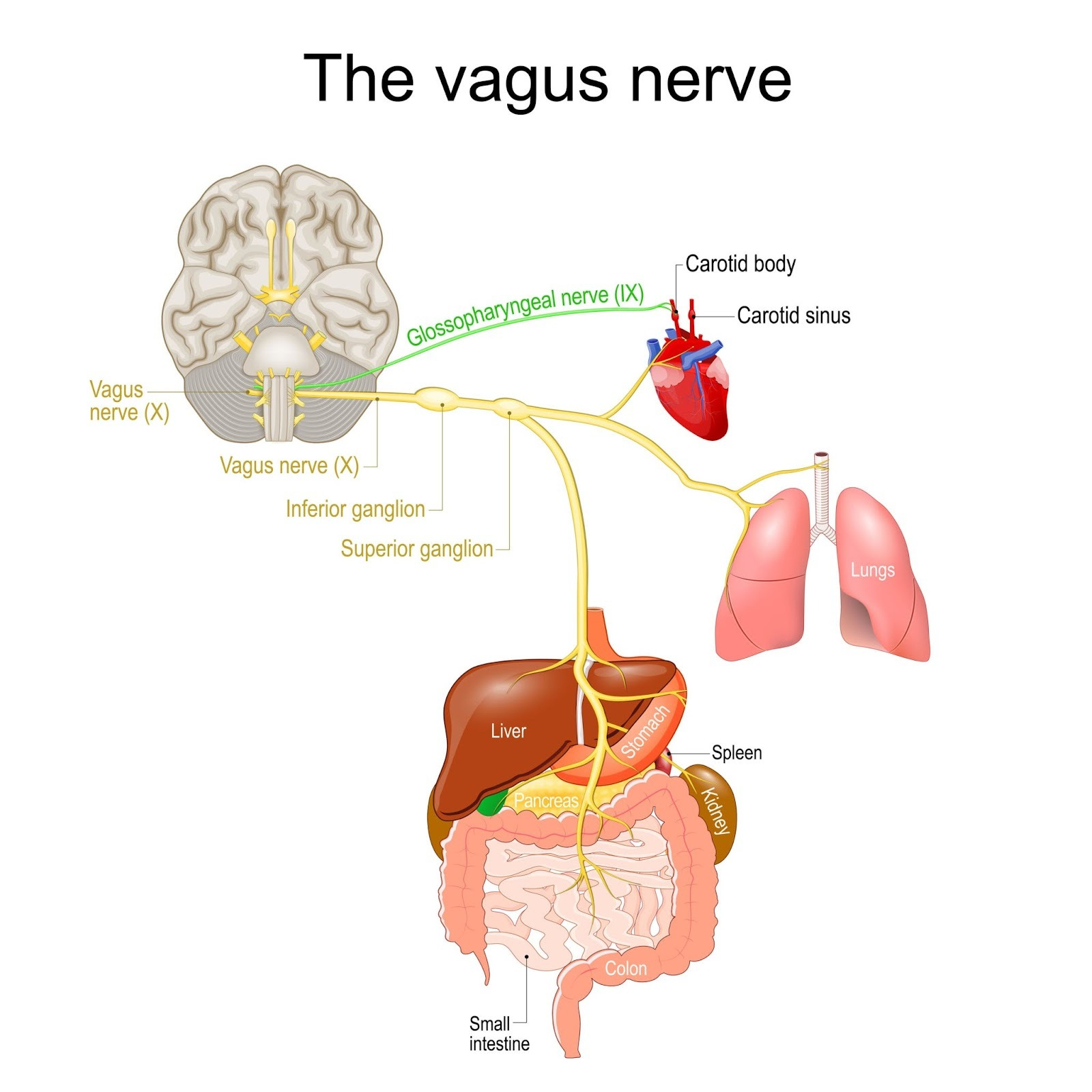
Yoga therapy works because it physically hijacks your body's stress response. The primary mechanism for this is the vagus nerve, the central communication highway running from your brainstem down to your abdomen.
The vagus nerve is the commander of your parasympathetic nervous system (your rest and digest state). When you are anxious, vagal tone drops. Clinical breathwork and titrated movement physically massage and stimulate this nerve. A prolonged exhale literally acts as a mechanical brake on your heart rate, forcing blood pressure down and signaling the brain to halt cortisol production.
Simultaneously, the practice alters your brain chemistry. Studies demonstrate that a single session of targeted yoga therapy significantly spikes levels of Gamma-aminobutyric acid (GABA). GABA is the brain's primary inhibitory neurotransmitter. It acts like a heavy, biological blanket over a highly reactive nervous system. This naturally mimics the chemical pathways of several prescription anti-anxiety medications, alongside a reliable boost in stabilizing serotonin.
The Clinical Evidence: Does It Actually Work?
We do not prescribe interventions without data. The psychiatric evidence for yoga therapy is highly established:
- Generalized Anxiety Disorder (GAD): Clinical trials show that patients practicing regulated yoga therapy experience drastic reductions in baseline muscle tension, daily rumination, and the frequency of panic attacks.
- Trauma and PTSD: Research on veterans and severe trauma survivors indicates that trauma-informed yoga actively diminishes hypervigilance. In one notable study, 52% of women no longer met the clinical criteria for PTSD after ten weeks of adjunctive yoga treatment.
- Insomnia: By physically forcing cortisol levels to drop, the practice signals to the brain that it is safe to lose consciousness, dramatically reducing sleep latency (the time it takes to fall asleep).
Where to Find Yoga Therapy Programs Near Me
Treating the mind while ignoring the physical body leaves patients stranded with partial recovery. We saw too many patients hitting a wall with just medication and weekly talk therapy, which is why Savant Care restructured our treatment model.
We integrate traditional psychiatry directly with body-based medicine. Our psychiatrists and nurse practitioners collaborate to build comprehensive care plans that address both the neurochemical and somatic realities of your anxiety.
To bridge the gap between psychiatric care and physical regulation, Savant Care patients receive complimentary, 1:1 online yoga therapy sessions.
- No Financial Barriers: Physical regulation shouldn't be a luxury add-on. If your provider recommends it, the sessions are included in your treatment plan.
- Telehealth Delivery: Manage your nervous system from the safety and privacy of your own home.
- Integrated Care: Your yoga therapist works directly with your prescribing provider to ensure the physical protocols align with your psychiatric goals. If your anxiety is severe that day, the session may consist entirely of restorative breathwork on the floor.
Tips for Getting Started with Yoga Therapy
If you are exhausted by your anxiety, the idea of starting a new physical practice can feel daunting.
- Drop the Expectations: You do not need an hour of sweating to change your neurochemistry. Ten minutes of targeted vagal breathing is often enough to break a panic cycle. Consistency is far more important than intensity.
- Vet Your Provider: If you are seeking care outside of our clinic, ensure the practitioner holds a clinical certification (like C-IAYT) or specializes deeply in trauma-informed movement. They must understand the clinical mechanics of emotional distress.
Call/Text (866) 499-2588
FAQs About Yoga Therapy and Anxiety
Do I need to be flexible or physically fit to do yoga therapy?
No. Clinical yoga therapy has nothing to do with flexibility. Postures are heavily modified, often performed in a chair or entirely lying down, focusing exclusively on nervous system regulation.
Will yoga therapy trigger my trauma or panic attacks?
When administered by a trauma-informed clinical therapist, the protocols are built around safety. Your therapist is trained to watch for subtle physiological shifts indicating panic and will immediately pivot to grounding, somatic techniques to keep you anchored.
Can yoga therapy replace my anxiety medication?
Yoga therapy is an adjunctive treatment.It works best in tandem with your psychiatric care. While some patients find they can eventually titrate down their dosages with their provider's guidance, you should never alter your medication without direct medical supervision.
How much does yoga therapy for anxiety cost?
In the private sector, hiring a certified clinical yoga therapist (C-IAYT) mirrors the cost of specialized physical therapy. Initial intakes usually range from $150 to $225, with follow-ups between $100 and $175 per hour. At Savant Care, these 1:1 sessions are seamlessly integrated into your care plan at no additional cost beyond your standard insurance copay for psychiatric visits.
Reviews of Online Yoga Therapy Services for Anxiety Treatment
- "I struggled with severe anxiety for years. Combining my medication with the specific breathing and resting yoga techniques recommended by my provider at SavantCare changed everything. It gave me a physical way to calm down my panic attacks that I never had before."
— Sarah M. - "What I appreciate about SavantCare is that they don't just tell you to 'relax.' They explained the science of how yoga affects my nervous system. Seeing my anxiety as a physical state that I could influence through movement made it feel manageable rather than at war with my own brain." — James T.
- "The combined approach is the real deal. I started Yoga Nidra at their suggestion for my insomnia and racing thoughts. For the first time in a decade, I am falling asleep without feeling like my heart is pounding." — Elena R.
Take Control of Your Anxiety Today
Anxiety is an exhausting, full-body experience. If your current treatment plan is leaving you physically drained and still fighting off panic, it is time to stop ignoring your nervous system.
You deserve a clinical approach that doesn't just manage your symptoms, but actively teaches your body how to feel safe again.
Book a same-week telehealth consultation with Savant Care today. Meet with our licensed psychiatric professionals to build a complete treatment plan, and begin your integrated 1:1 yoga therapy.
Sources
A single hour of yoga increases GABA levels by 27%.: https://pubmed.ncbi.nlm.nih.gov/17532734/
Patients with GAD who practice yoga report major drops in daily worry and physical panic symptoms: https://pubmed.ncbi.nlm.nih.gov/32805013/
Trauma-informed yoga reduces the severity of PTSD symptoms and decreases panic, with 52% of women in one study no longer meeting the criteria for PTSD after 10 weeks:
https://gap.hks.harvard.edu/yoga-adjunctive-treatment-posttraumatic-stress-disorder-randomized-controlled-trial
Trauma-informed yoga reduces the severity of PTSD symptoms and decreases panic, with 52% of women in one study no longer meeting the criteria for PTSD after 10 weeks.
https://gap.hks.harvard.edu/yoga-adjunctive-treatment-posttraumatic-stress-disorder-randomized-controlled-trial